
What Causes Gum Problems After Age 30?
If you’ve crossed 30 and suddenly noticed bleeding gums, sensitivity, or persistent bad breath, you’re not imagining things. For many adults, this decade quietly marks a turning point in oral health. Understanding gum problems causes after age 30 isn’t just about dental hygiene—it’s about lifestyle shifts, biology, and habits we rarely connect to our gums.
I’ve personally seen friends who never had cavities in their 20s suddenly dealing with receding gums in their 30s. The shock is real—and common. Let’s break down why this happens, what’s normal, what’s not, and how you can protect your smile long-term.
Still dealing with gum problems after 30?
If brushing alone isn’t enough, oral probiotics may help. ProDentim supports healthy gums, fresh breath, and balanced oral bacteria—addressing root gum problems causes.
Gum Health Before vs After 30: What Changes?

In your teens and 20s, gums are usually resilient. Minor plaque buildup rarely causes lasting damage. After 30, however, the mouth becomes less forgiving.
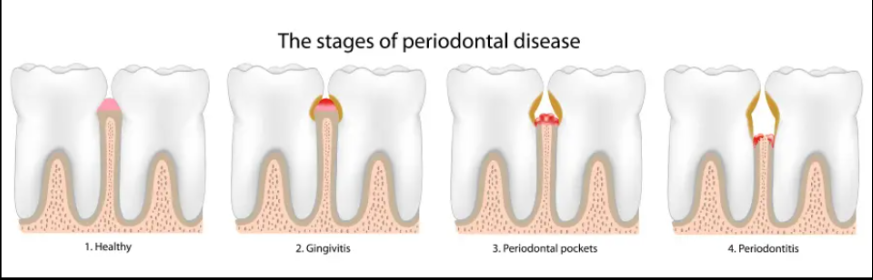
Key differences after age 30:
- Slower tissue regeneration
- Higher cumulative plaque exposure
- Increased impact of stress and hormones
- Greater influence of systemic health (diabetes, blood pressure)
This doesn’t mean gum disease is inevitable—but the gum problems causes become more layered and interconnected.
The Most Common Gum Problems Causes After Age 30
1. Long-Term Plaque Buildup (The Silent Accumulator)
Plaque doesn’t cause serious damage overnight. It’s years of incomplete cleaning that catch up later.
After 30:
- Plaque hardens into tartar more easily
- Tartar irritates gums, causing inflammation
- Inflammation leads to gingivitis, then periodontitis
Even people who brush daily often miss the gumline. Over time, this neglect becomes one of the leading gum problems causes.
2. Hormonal Changes (Especially for Women)
Hormones don’t just affect mood—they affect gums too.
Common triggers:
- Pregnancy
- Perimenopause
- Menopause
Hormonal shifts increase blood flow to gums, making them more sensitive and reactive to plaque. This explains why some women experience gum swelling or bleeding even with good oral care.
3. Stress: The Underrated Culprit


Stress after 30 often comes with careers, finances, parenting, or health worries.
Here’s how stress contributes to gum issues:
- Weakens immune response
- Increases inflammation
- Causes teeth grinding (bruxism), damaging gum tissue
From personal experience, many professionals don’t realize their jaw clenching at night is slowly harming their gums.
4. Lifestyle Habits That Catch Up With Time
Habits that seemed harmless in your 20s become risky later.
| Habit | How It Affects Gums |
|---|---|
| Smoking/Vaping | Reduces blood flow, masks symptoms |
| Alcohol | Dries mouth, increases bacteria |
| Sugary diet | Feeds plaque-forming bacteria |
| Poor sleep | Slows tissue repair |
These are classic gum problems causes that compound over time rather than showing immediate effects.
5. Medical Conditions & Medications
After 30, many people start medications for chronic conditions.
Common contributors:
- Diabetes (reduces healing ability)
- Blood pressure meds (cause dry mouth)
- Antidepressants (reduce saliva flow)
Saliva is your mouth’s natural defense. Less saliva = more bacteria = higher gum risk.


Understanding stages helps you act early.
| Feature | Gingivitis | Periodontitis |
|---|---|---|
| Bleeding | Yes | Yes |
| Pain | Mild | Moderate–Severe |
| Bone loss | No | Yes |
| Reversible | Yes | No (manageable) |
Most gum problems after 30 begin as gingivitis—but ignoring it allows progression
Early Warning Signs You Shouldn’t Ignore
Many adults dismiss early symptoms as “normal.” They’re not.
Watch for:
- Bleeding while brushing or flossing
- Persistent bad breath
- Gum tenderness or swelling
- Teeth looking longer (recession)
- Loose teeth (advanced stage)
Catching these early dramatically reduces long-term damage.
Fresh Insight: Why “Good Brushers” Still Get Gum Problems
One surprising insight from dental professionals: brushing harder doesn’t mean brushing better.
Aggressive brushing:
- Damages gum tissue
- Causes recession
- Exposes tooth roots
After 30, gentler, technique-focused brushing is far more effective than force.
How Aging Affects Gum Healing
Healing capacity naturally slows with age. Gums:
- Regenerate more slowly
- Respond less aggressively to bacteria
- Need longer recovery time after inflammation
This is why prevention becomes more important than treatment.
Key Takeaways: Gum Problems Causes After 30
| Factor | Impact Level |
|---|---|
| Plaque buildup | High |
| Stress | High |
| Hormonal changes | Moderate–High |
| Smoking | Very High |
| Poor diet | Moderate |
Struggling With Ongoing Gum Problems After 30?
If you’ve been improving your brushing and flossing habits but still notice bleeding gums, sensitivity, or bad breath, it may be time to look beyond surface-level dental care.
Many dentists now agree that oral health begins in the microbiome—the balance of good and bad bacteria in your mouth.
That’s where ProDentim comes in.
ProDentim is a clinically researched oral probiotic supplement designed to support:
- Healthy gums and teeth
- Fresh breath
- Balanced oral bacteria
- Long-term oral immunity
Unlike toothpaste or mouthwash that works temporarily, ProDentim focuses on addressing one of the root gum problems causes—harmful bacterial imbalance.
👉 Learn how ProDentim supports gum health naturally

1 thought on “What Causes Gum Problems After Age 30?”