
Morning Oral Care Routine for Healthy Teeth (A Doctor’s Honest Perspective)
Most people believe brushing their teeth in the morning is enough. As a doctor, I can tell you that this simple habit, when done without understanding why and how, often fails silently. A proper oral care routine is not about doing more steps; it is about doing the right steps in the right order.
Every morning, your mouth carries the story of the night. While you sleep, saliva flow slows down, bacteria multiply, and acids quietly weaken enamel. That unpleasant taste you feel when you wake up is not just “morning breath.” It is bacterial waste, and how you handle it determines whether your teeth stay strong or slowly deteriorate over the years. I have seen patients who brushed twice daily yet still suffered gum bleeding, sensitivity, and decay. The issue was never laziness. It was a misunderstood morning routine. Let me walk you through a human, realistic, dentist-approved morning oral care routine that actually protects your teeth and gums.
Why Morning Oral Care Matters More Than You Think
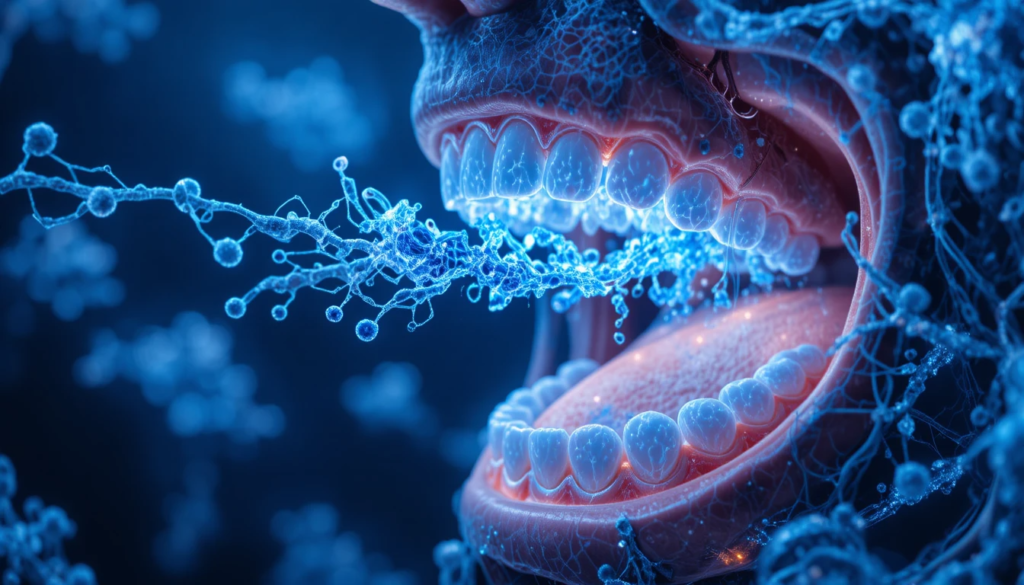
During sleep, your mouth becomes a low-defense zone. Reduced saliva allows bacteria to grow freely, producing acids that attack enamel and irritate gum tissue. If you skip or rush your oral care routine in the morning, you are essentially carrying that bacterial load into breakfast and the rest of your day. From a clinical point of view, mornings are when prevention truly happens. This is the moment to neutralize acids, reset oral balance, and strengthen gums before chewing, speaking, and swallowing distribute bacteria further. A strong oral care routine in the morning reduces cavities, slows gum recession, improves breath, and even supports heart health by limiting chronic inflammation linked to oral bacteria.
The Right Order Matters: A Dentist’s Morning Flow
One of the most common mistakes I see is incorrect sequencing. Many people brush immediately after waking, then rinse aggressively, undoing much of the benefit. Others eat first, allowing bacteria to feed before any cleaning happens. The correct flow is designed to gently wake up the mouth, remove bacterial toxins, and then reinforce enamel protection.

“For patients already experiencing gum sensitivity, bleeding, or recurring bad breath despite good brushing, I often recommend adding ProDentim to the morning routine. It supports beneficial oral bacteria, helping restore balance rather than just masking symptoms.”
Step One: Gentle Mouth Rinse After Waking
Before touching a toothbrush, rinse your mouth with plain water. This step is often ignored, but it matters. Rinsing loosens overnight bacterial buildup and thick saliva, making the rest of your oral care routine more effective. This is not about killing bacteria yet. It is about removing debris and preparing the mouth for cleaning. Patients who adopt this step often notice reduced morning breath within days.
Step Two: Tongue Cleaning (The Hidden Game-Changer)
The tongue holds more bacteria than teeth and gums combined. If you brush perfectly but ignore your tongue, you leave the biggest bacterial surface untouched. Use a tongue cleaner or the back of your toothbrush and gently scrape from back to front. This removes odor-causing bacteria and reduces toxin load entering your digestive system. Clinically, tongue cleaning improves breath and reduces gum inflammation over time. It is one of the most undervalued steps in any oral care routine.
Step Three: Proper Brushing Technique, Not Aggressive Brushing
Brushing harder does not clean better. In fact, it damages enamel and pushes gums away from teeth. Use a soft-bristled brush at a 45-degree angle to the gum line. Gentle circular motions clean plaque while protecting gum tissue. Spend at least two minutes, covering all surfaces slowly. Toothpaste choice matters. Look for formulations that support enamel and gum health, not just whitening. Whitening abrasives can worsen sensitivity when used daily. As a doctor, I remind patients that brushing is not a scrubbing task. It is a massage and cleaning process combined.
Step Four: Spit, Don’t Rinse Immediately
This advice surprises many people, but it is backed by dental science. Rinsing immediately washes away protective fluoride before it can strengthen enamel. After brushing, spit out excess toothpaste and allow the remaining layer to sit on teeth for at least 30 minutes. This single change can significantly reduce cavity risk over time.
Step Five: Gum Support Beyond Brushing
Here is where most routines stop, and where long-term problems begin. Healthy gums require more than mechanical cleaning. They need microbial balance. Chronic gum issues often come from bacterial imbalance, not poor brushing. This is why I often recommend ProDentim to patients who struggle with bleeding gums, recurring inflammation, or persistent bad breath despite good hygiene. It supports oral probiotics that help restore healthy bacterial balance in the mouth. For many people, adding ProDentim to their morning oral care routine becomes the missing link between “clean” and truly “healthy.”
Eating Breakfast: Timing Matters (What Most People Get Wrong)
This is one of the most overlooked parts of a morning oral care routine, and it quietly undoes a lot of good work. After brushing, your teeth are in a temporary protective phase. Fluoride from toothpaste is actively binding to enamel, helping it resist acid attacks and strengthening microscopic weak points you cannot see or feel.
When you eat immediately after brushing—especially foods high in sugar, citrus, tea, coffee, or processed carbs—you interrupt this process. Acids from food soften enamel at exactly the moment it should be hardening. Over months and years, this habit contributes to sensitivity, enamel thinning, and cavities near the gum line, even in people who brush twice daily.
Waiting 20–30 minutes before breakfast gives enamel time to stabilize and allows fluoride to complete its protective role. If you truly cannot wait due to schedule or medical reasons, the safer approach is to choose low-acid, low-sugar foods and drink plain water afterward. This simple timing adjustment is one of the easiest ways to protect teeth without buying anything new.
Common Morning Oral Care Mistakes I See in Clinics
Many patients sit in my chair convinced they are doing everything right. They brush daily, sometimes twice, yet still deal with bleeding gums, recurring cavities, or bad breath. The issue is rarely effort—it is repetition of small mistakes.
Morning routines are often rushed. Brushing becomes aggressive instead of effective. Tongue cleaning is skipped. Rinsing washes away fluoride. Gum care is ignored until pain appears. These habits feel harmless day to day, but oral health does not fail overnight. It erodes slowly, quietly, and predictably when the same mistakes are repeated for years. What makes this frustrating for patients is that problems appear “out of nowhere,” when in reality the warning signs were present every morning and simply misunderstood.
Morning Oral Care Routine: What Changes Outcomes Over Time
| Habit | Common Approach | Dentist-Recommended Approach | Long-Term Impact |
|---|---|---|---|
| Brushing Timing | Immediate and rushed | After gentle rinse and tongue cleaning | Reduced cavity risk |
| Brushing Pressure | Hard scrubbing | Gentle circular motion | Preserved enamel |
| Rinsing After Brushing | Full rinse with water | Spit, no immediate rinse | Stronger enamel |
| Gum Care | Ignored until pain | Daily microbial support | Healthier gums |
| Tongue Cleaning | Skipped | Gentle daily scraping | Fresher breath |
This table reflects what I see repeatedly in real patients. Small changes in approach—not expensive tools—create meaningful long-term results.

A Doctor’s Personal Observation
Over the years, the healthiest mouths I see do not belong to people with electric brushes, luxury toothpaste, or complex routines. They belong to people who are consistent, calm, and intentional every morning.
I follow this same routine myself. Not because I am a doctor, but because I have seen what happens when people do not. Tooth loss, gum recession, and chronic inflammation rarely start with pain. They begin with ignored bleeding, minor sensitivity, and rushed mornings. By the time discomfort appears, damage has already been building for years.
Routine is protection. Consistency is prevention.
How This Routine Protects More Than Just Teeth
The mouth is not separate from the body. Oral bacteria enter the bloodstream through inflamed gums, affect digestion when swallowed, and contribute to low-grade inflammation throughout the body. Research increasingly links gum disease to heart conditions, blood sugar imbalance, and immune stress.
This is why gum health matters as much as tooth enamel. Supporting a healthy oral microbiome helps reduce harmful bacteria that trigger inflammation. For patients already experiencing gum sensitivity, bleeding, or recurring bad breath despite good brushing, I often recommend adding ProDentim to the morning routine. It supports beneficial oral bacteria, helping restore balance rather than just masking symptoms.
A well-structured oral care routine is not cosmetic hygiene. It is preventive medicine practiced daily.
Final Thoughts: Build a Routine Your Future Self Will Thank You For
A healthy smile is not created in the dentist’s chair once a year. It is built quietly every morning in your bathroom. If you want stronger gums, fewer dental problems, and confidence in your breath and smile, treat your oral care routine as a daily investment. Simple steps, done correctly and consistently, protect you for decades. If gum issues or sensitivity have already begun, adding ProDentim as part of your routine can support long-term balance and healing by addressing the root cause, not just the surface symptoms.
If this explanation helped you rethink your morning oral care routine, share it with someone who still believes brushing alone is enough. Explore related content on gum health, oral probiotics, and preventive dental care, and take one small step today that protects your smile for life.

1 thought on “Morning Oral Care Routine for Healthy Teeth”