
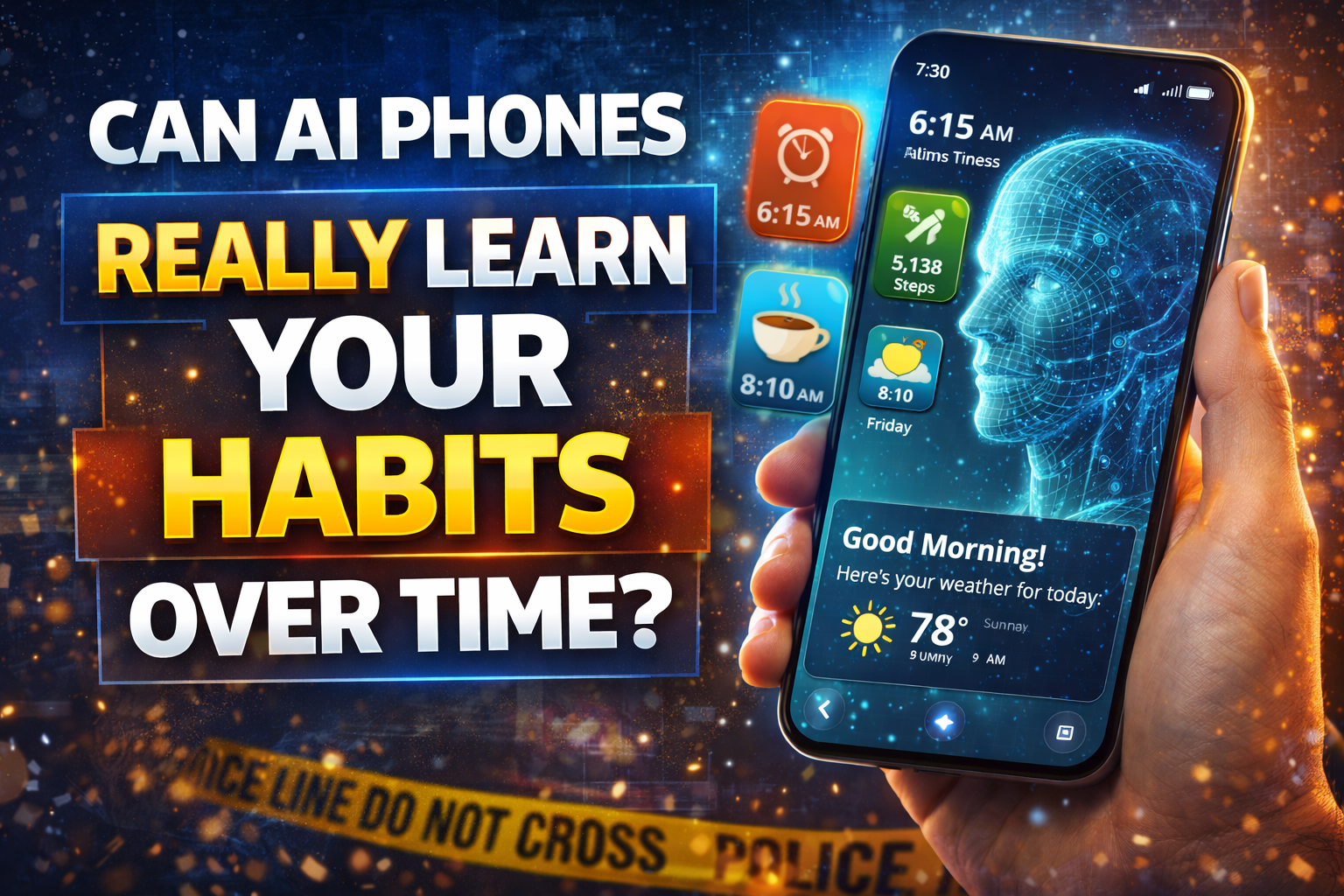
Every morning, your phone wakes before you do. It silences notifications during meetings you never manually set. It suggests the same app you were just thinking about opening. It dims the screen exactly when your eyes start to strain. This raises a powerful question many users quietly wonder but rarely ask out loud: can AI phones really learn your habits over time, or is it just clever automation wearing a futuristic mask?
I asked myself the same thing after noticing my phone behaving less like a tool and more like a silent observer. This article doesn’t repeat marketing promises or generic AI explanations. Instead, it breaks down what’s actually happening inside modern smartphones, what “learning” really means, where AI genuinely improves life, and where the illusion begins.
What Does “Learning” Mean in an AI Phone?
Before answering whether AI phones truly learn your habits over time, we need to redefine learning itself. Human learning involves understanding, intention, and awareness. AI learning is different. It is statistical, pattern-driven, and dependent on repetition.
Modern smartphones rely on machine learning models that analyze behavior patterns such as app usage timing, location routines, typing speed, screen interaction, and even charging habits. Over time, the system builds probability-based predictions. If you open a music app every day at 7:30 AM, the phone begins surfacing it earlier. If you reject calls during specific hours, it quietly adapts. This is not consciousness. It is behavioral pattern recognition running at massive speed.
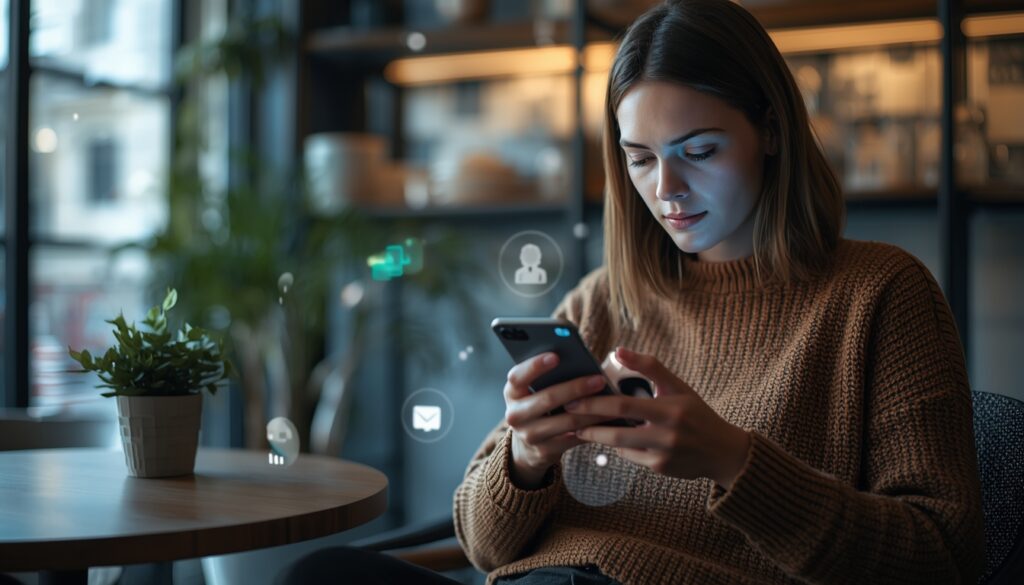
How AI Phones Track and Interpret Your Daily Behavior
AI phones observe thousands of micro-actions every day. These include how long you linger on certain screens, which apps you abandon quickly, when you type faster or slower, and even how often you correct mistakes.
Over weeks and months, these signals form a personal usage profile. This profile constantly updates itself. If your routine changes, the AI slowly recalibrates. That’s why phones feel smarter over time but also seem confused when your schedule suddenly shifts. What’s fascinating is that most of this learning happens silently. You’re rarely asked for permission in obvious ways. The phone doesn’t announce it is learning you. It simply adapts.
Real-Life Examples Where AI Phones Feel Surprisingly Human
One evening, after a long writing session, my phone suggested enabling eye comfort mode without me touching a setting. Another time, it queued a podcast I usually play while walking, just as I stepped outside.
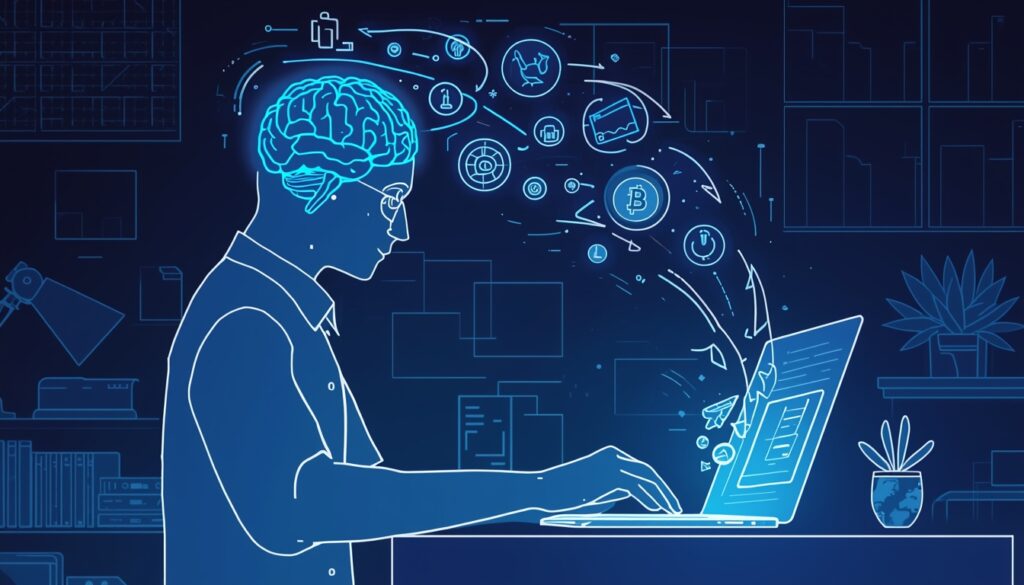
These moments feel almost magical because they align with intention, not just action. In reality, the phone noticed repeated patterns: time of day, motion sensors, location data, and historical behavior. The result feels personal, even emotional, though it’s entirely mechanical. This is where the illusion of intelligence becomes powerful. AI doesn’t know you’re tired, but it knows when your behavior statistically resembles past moments of fatigue.
Where AI Phones Truly Excel at Learning Habits
AI phones are remarkably good at learning routine-based habits. Repetition strengthens predictions. Consistency feeds accuracy. Tasks tied to time, location, and frequency benefit the most.
Battery optimization is one of the clearest successes. Phones now learn which apps you rarely use and restrict their background activity automatically. Camera software adapts to how you shoot photos, adjusting contrast, exposure, and color profiles based on past edits. Keyboard suggestions improve because your typing rhythm and word choices stabilize over time. In these areas, AI phones don’t just feel smart. They genuinely reduce friction.
Where AI Phones Still Fall Short
Despite impressive progress, AI phones struggle with context. They don’t understand why you behave differently, only that you do. If you stop using an app because you’re on vacation, the phone may assume permanent disinterest. If your schedule changes temporarily, predictions can become irritating rather than helpful.
Emotional nuance remains out of reach. AI cannot distinguish stress from excitement, boredom from curiosity, or intention from coincidence. It reacts to behavior, not meaning. This limitation is important because it highlights a critical truth: AI phones learn patterns, not people.
Can AI Phones Learn You Better Than You Know Yourself?
This is a provocative claim often made in tech headlines. The truth is more subtle. AI phones can detect habits you don’t consciously notice, such as how often you unlock your device or how your attention shifts between apps.

However, awareness does not equal understanding. Your phone may predict your next action, but it cannot reflect on whether that action is good for you. It doesn’t question your habits. It reinforces them. In that sense, AI phones mirror you rather than guide you. This is both powerful and dangerous.
Privacy: The Hidden Cost of Habit Learning
Every habit learned is data stored, processed, and sometimes shared. While many AI processes happen on-device, some insights still rely on cloud-based systems. This raises concerns about who owns your behavior profile and how securely it is protected.
The unsettling part is not data collection itself, but invisibility. Most users don’t fully realize how detailed their behavioral models are. The phone knows when you sleep, when you walk, when you pause, and when you rush. Understanding this doesn’t require fear, but it demands awareness.
AI Phones vs Humans: A Clear Comparison
| Aspect | AI Phones | Humans |
|---|---|---|
| Learning Speed | Extremely fast | Gradual |
| Emotional Understanding | None | Deep |
| Pattern Recognition | Excellent | Moderate |
| Context Awareness | Limited | Strong |
| Adaptability to Change | Slow | Fast |
| Ethical Judgment | Absent | Present |
This table highlights why AI phones feel intelligent but remain fundamentally different from human intelligence.
The Future: Will AI Phones Become Truly Adaptive Companions?
The future of AI phones lies in contextual intelligence rather than raw data collection. Devices are moving toward understanding situational cues, combining sensors, voice tone analysis, and long-term behavioral shifts.
The goal is not just predicting what you’ll do next, but understanding when not to intervene. Silence, restraint, and timing will define the next evolution of smartphone intelligence. Whether this becomes empowering or invasive depends on design choices made today.

Final Verdict: Can AI Phones Really Learn Your Habits Over Time?
Yes, AI phones really do learn your habits over time, but not in the way humans learn. They don’t understand you. They model you. They don’t care about your goals. They optimize for patterns.
When used consciously, this learning can save time, reduce friction, and enhance daily life. When ignored, it can quietly shape behavior without reflection. The intelligence of your phone is not the real question. The real question is how intentionally you use it.
FAQ
Q.What does it actually mean when people ask, “Can AI phones really learn your habits over time”?
When people search this, they usually want to know whether smartphones genuinely understand them or simply follow programmed rules. In reality, AI phones learn by analyzing repeated behavior patterns such as app usage, timing, location, and interaction style. They do not think like humans, but they adapt based on data trends over time.
Q.How long does it take for an AI phone to start learning my habits?
AI phones usually begin adapting within a few days, but meaningful personalization happens over weeks or months. The more consistent your routine is, the faster the system builds accurate predictions. Sudden lifestyle changes can temporarily confuse the AI until new patterns stabilize.
Q.Do AI phones learn habits without internet access?
Yes, to a large extent. Many habit-learning features like battery optimization, keyboard predictions, and app suggestions work directly on the device. However, cloud connectivity improves accuracy for features like voice assistants, recommendations, and cross-device syncing.
Q.Can AI phones learn bad habits too?
Absolutely. AI phones do not judge behavior. If you frequently scroll late at night, overuse certain apps, or respond to notifications instantly, the phone may reinforce those habits by prioritizing them. This is why mindful usage is important when relying on AI-driven personalization.
Q.Are AI phones always listening or watching to learn habits?
No, AI phones are not constantly spying in the way people fear. They rely on sensors, usage data, and permissions you grant. Microphones, cameras, and location services are activated only when specific features require them. Still, users should regularly review privacy settings to stay informed.
Q.Can AI phones predict what I want before I know it myself?
AI phones can predict your next action based on past behavior, but they cannot understand intent or desire. They recognize patterns, not thoughts. When predictions feel accurate, it’s because your routine has been consistent, not because the phone truly knows your mind.
Q. Do AI phones learn habits differently for each user?
Yes, every AI phone builds a unique behavior model for each user. Two people using the same phone model will experience completely different suggestions, battery behavior, and app prioritization based on how they interact with the device.
Q. Is habit learning in AI phones safe for privacy?
It depends on how the data is handled. Most modern smartphones emphasize on-device learning to reduce privacy risks. However, some data may still be processed in the cloud. Reading privacy policies and adjusting permissions is the best way to stay in control.
Q. Can I reset or erase what my AI phone has learned about me?
Yes. Resetting app data, clearing usage history, or performing a factory reset can erase most learned behaviors. Some systems also allow you to turn off personalization features without wiping the entire device.
Q. Will AI phones become smarter at understanding habits in the future?
Yes, future AI phones are expected to improve contextual understanding, meaning they may better recognize temporary changes versus long-term habits. However, they will still rely on data patterns rather than emotional or conscious understanding.
Q. Are AI phones helpful or harmful in daily life?
AI phones are tools. Used intentionally, they reduce friction and save time. Used passively, they can reinforce unhealthy routines. The impact depends more on user awareness than on the technology itself.
Q. Is the learning process the same on all smartphone brands?
No, different brands use different AI models and privacy approaches. Some focus heavily on on-device learning, while others rely more on cloud-based intelligence. This affects how fast and how deeply phones learn habits.
Q. Can AI phones replace human decision-making?
No. AI phones assist, suggest, and automate, but they do not replace judgment, creativity, or emotional intelligence. They reflect your habits, not your values.
Q. Why does my AI phone sometimes feel wrong or annoying?
Because AI lacks context. Temporary changes in routine, shared devices, or unusual behavior can lead to inaccurate predictions. The system adjusts, but it takes time to relearn.
Q. What is the biggest misconception about AI phones learning habits?
The biggest myth is that AI phones “understand” users like humans do. In truth, they calculate probabi