
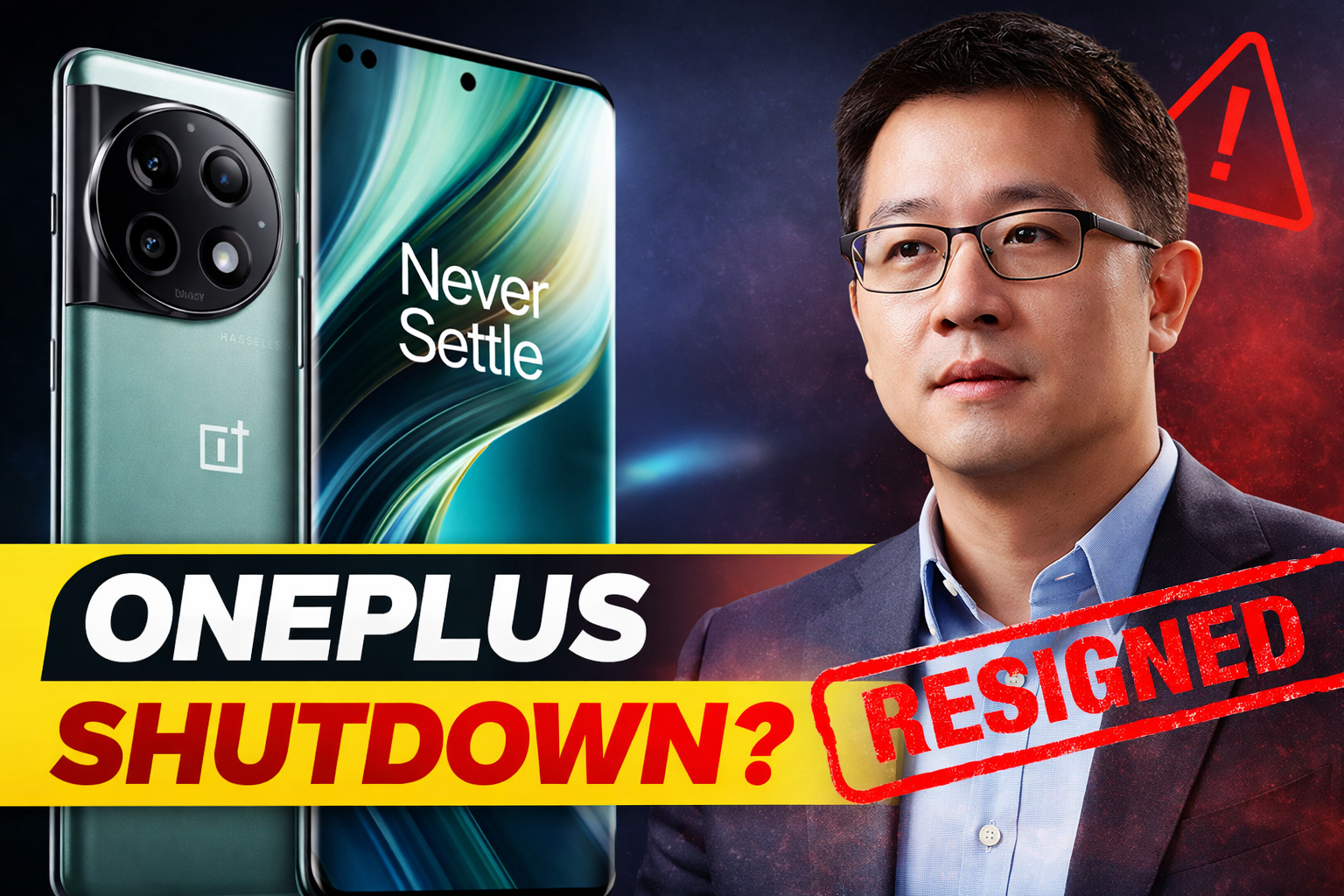
OnePlus Shutdown Trends As Company’s India CEO Robin Liu Steps Down : The smartphone industry is constantly evolving, and brands that once dominated headlines often face unexpected turning points. Recently, OnePlus has found itself at the center of attention, not just for its devices but for internal changes that may signal a shift in its strategy. The resignation of India CEO Robin Liu has sparked conversations across the tech community, raising questions about the company’s future direction in one of its most important markets.
India has long been a key region for OnePlus, contributing significantly to its global success. With this leadership change, many are wondering whether the brand is entering a phase of decline or simply restructuring for growth.

OnePlus’ Position in India
Over the years, OnePlus built a strong reputation in India by offering premium features at competitive prices. The brand positioned itself between mid-range and flagship categories, appealing especially to tech-savvy users who wanted performance without paying ultra-premium prices.
However, the smartphone market in India has become increasingly competitive. Brands like Samsung, Xiaomi, and newer players have aggressively expanded their portfolios, offering similar or better features at lower costs. This shift has gradually put pressure on OnePlus, affecting its growth trajectory.
Leadership Change: What Robin Liu’s Exit Means
Robin Liu’s departure as India CEO is not just a routine corporate change. Leadership transitions at such a level often reflect deeper strategic shifts within a company.
During his tenure, OnePlus expanded its offline presence, strengthened partnerships, and attempted to broaden its product ecosystem. Despite these efforts, the company has faced challenges such as declining market share and increasing criticism regarding product pricing and software experience.

His exit could indicate that the company is reassessing its approach in India. It may be preparing for a new phase focused on rebuilding trust, refining its product lineup, or restructuring its business model.
Signs of “Shutdown Trends”: Reality or Rumor?
The term “shutdown trends” has been circulating widely, but it is important to understand what it truly means in this context. OnePlus is not shutting down its operations in India. Instead, the phrase reflects growing concerns about the brand losing its earlier momentum.
Several factors have contributed to this perception:
The brand has moved away from its original identity of being a “flagship killer,” and its devices now compete directly in the premium segment. This shift has not been fully accepted by its core audience.
At the same time, frequent software issues and delayed updates have impacted user trust. In a market where consumers are increasingly aware and demanding, even small inconsistencies can affect brand perception.
Market Competition and Changing Consumer Expectations
The Indian smartphone market has matured significantly. Today’s consumers are not only looking for powerful hardware but also expect long-term software support, reliable after-sales service, and value for money.
OnePlus initially excelled in delivering a clean and fast user experience. However, recent changes in its software direction have drawn mixed reactions. As competitors continue to innovate rapidly, maintaining differentiation has become more challenging.
Below is a comparison of key factors affecting OnePlus in the current market:
| Factor | Earlier Strength of OnePlus | Current Challenge |
|---|---|---|
| Pricing Strategy | Competitive flagship pricing | Increasingly expensive devices |
| Software Experience | Clean and smooth interface | Mixed feedback after changes |
| Brand Loyalty | Strong community support | Gradual decline in engagement |
| Competition | Limited strong rivals | Intense competition across all segments |

Business Strategy Shift: A Turning Point
OnePlus appears to be moving toward a broader ecosystem strategy, including smart TVs, audio devices, and accessories. While diversification can be beneficial, it also requires strong execution and consistent branding.
The leadership change might be part of a larger plan to realign the company’s priorities. Instead of focusing solely on premium smartphones, the brand may aim to strengthen its presence across multiple product categories.
However, success in this approach will depend on how well the company can balance innovation, pricing, and user experience.
Impact on Users and the Tech Community
For existing OnePlus users, the biggest concern is whether the brand will continue to provide reliable support and updates. Trust plays a crucial role in customer retention, especially in the tech industry.
For potential buyers, uncertainty around leadership and market performance can influence purchasing decisions. Many users now compare brands more carefully before investing in a device.
Despite these concerns, OnePlus still holds a strong foundation in India. Its brand recognition, loyal customer base, and product quality continue to give it an advantage.
Future Outlook: Decline or Reinvention?
The current situation should not be viewed as a downfall but rather as a phase of transition. Many successful companies go through similar periods of adjustment before emerging stronger.
If OnePlus can address its key challenges—pricing, software experience, and brand positioning—it has the potential to regain its competitive edge. Leadership changes often bring fresh perspectives, which can lead to innovation and renewed growth.
The coming months will be crucial in determining whether this shift leads to a revival or further decline.
Conclusion
The resignation of Robin Liu marks a significant moment for OnePlus in India, but it does not signal the end of the company’s journey. Instead, it highlights the challenges and opportunities that lie ahead.
While the term “shutdown trends” may sound alarming, the reality is more nuanced. OnePlus is at a crossroads, where strategic decisions will shape its future in a highly competitive market.
For now, the brand’s story in India remains unfinished. Whether it regains its former glory or continues to struggle will depend on how effectively it adapts to changing consumer expectations and market dynamics.