
When Aging Speaks Through Your Gums
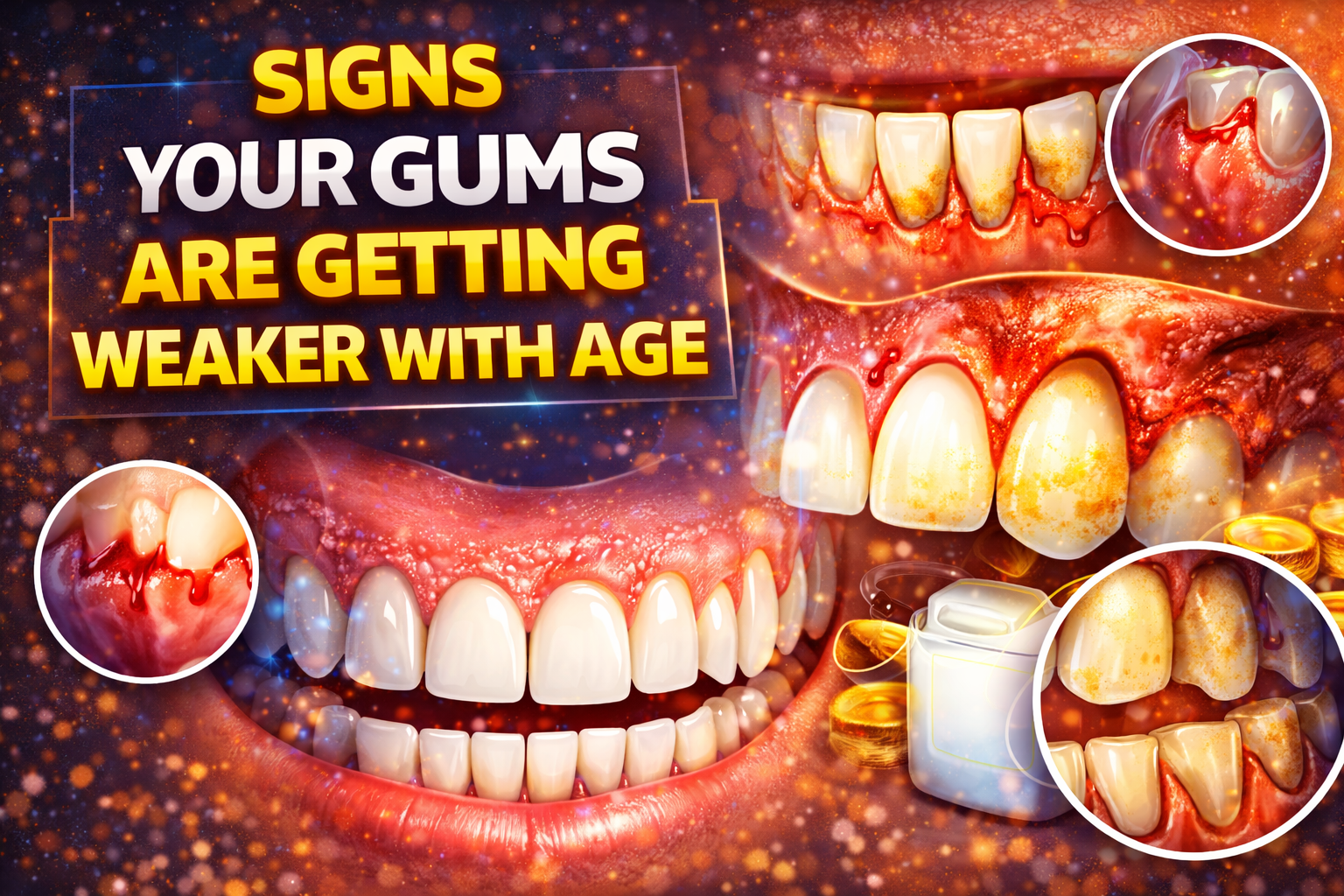
Signs Your Gums Are Getting Weaker With Age Most people expect back pain, stiff joints, or slower energy as they age. What they don’t expect is that their gums may start aging faster than the rest of their body. As a doctor, I often see patients surprised when they learn that subtle mouth changes were actually early weak gums symptoms they ignored for years.
Gum health doesn’t suddenly collapse overnight. It fades quietly—through small warnings we dismiss as normal aging. Bleeding that seems minor. Sensitivity that comes and goes. Teeth that feel slightly different when you bite. These signs are not random. They are your gums asking for attention.
This article will walk you through how aging affects gum strength, the early and advanced signs of weakening gums, how to tell normal aging apart from damage, and what you can realistically do to protect your smile for decades to come.
Why Gums Naturally Weaken With Age (And Why That Matters)
As we grow older, our body’s repair systems slow down. Gum tissue is no exception. Blood circulation to the gums decreases, collagen production drops, and the immune system becomes less efficient at controlling harmful oral bacteria. Over time, this creates the perfect environment for gum weakness.
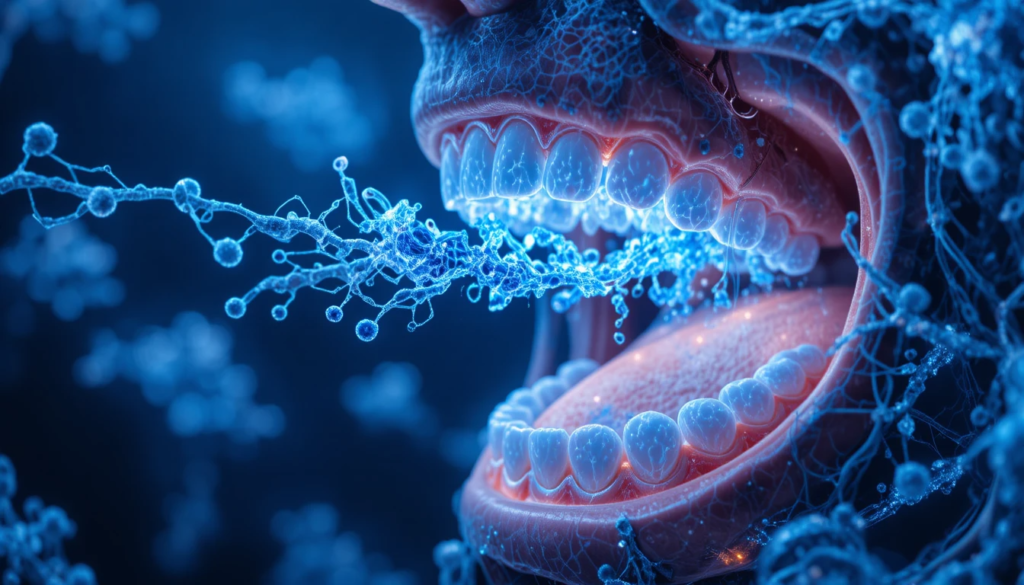
Another overlooked factor is the oral microbiome—the balance between good and bad bacteria in the mouth. With age, medications, stress, dry mouth, and diet changes can disrupt this balance. When harmful bacteria dominate, inflammation quietly eats away at gum tissue and the bone beneath it.
Weak gums are not just a dental issue. Chronic gum inflammation has been linked by researchers to heart disease, diabetes complications, and even cognitive decline. This is why dentists and doctors now view gum health as part of whole-body health, not just cosmetic care.

As a doctor, I often remind patients that brushing alone doesn’t correct the bacterial imbalance that weakens gums over time. Supporting healthy oral bacteria is an important part of long-term gum care. ProDentim is designed to help maintain this balance while complementing daily oral hygiene.

Early Weak Gums Symptoms Most People Ignore
In the early stage, weak gums rarely cause pain. This is why many people miss the warning signs.
One of the most common early weak gums symptoms is bleeding during brushing or flossing. Many patients tell me, “It’s normal, doctor. I brush hard.” Bleeding is never normal. Healthy gums do not bleed easily. Another early sign is sensitivity to cold, hot, or sweet foods. As gums weaken, they slowly pull away from the teeth, exposing sensitive areas that were once protected.
You may also notice mild swelling or redness along the gum line. It may not hurt, but it signals inflammation. Persistent bad breath that doesn’t improve with brushing can also be an early indicator that bacteria are building up beneath the gum surface. These signs are subtle, but together they form a clear message: your gums are under stress.
Moderate Signs Your Gums Are Losing Strength
As gum weakness progresses, the signs become more noticeable. Gum recession is one of the clearest indicators. Teeth may appear longer, not because they are growing, but because the gums are shrinking back.
At this stage, you may feel discomfort while chewing or brushing. The gums can feel tender, sore, or easily irritated. Food may get trapped more often between teeth, increasing plaque buildup and inflammation. Another overlooked symptom is a change in bite or pressure sensitivity. When gums and supporting structures weaken, teeth lose their stable foundation. This can make biting feel uneven or uncomfortable. These symptoms suggest that damage is advancing and needs attention before it becomes irreversible.
Advanced Weak Gums Symptoms That Require Immediate Care
When gum weakness reaches an advanced stage, the body’s warning system becomes louder. Teeth may start to feel loose or shift slightly. This is a sign that the bone supporting your teeth is being affected. You may notice pus along the gum line, deep pockets between teeth and gums, or persistent pain and swelling. At this stage, gum disease—often called periodontitis—can lead to tooth loss if left untreated. From a medical standpoint, this is no longer just about saving teeth. Chronic oral infection increases systemic inflammation, putting extra strain on the heart and immune system.
Weak Gums vs Normal Aging: How to Tell the Difference
| Normal Aging Changes | Weak Gums Symptoms |
|---|---|
| Slight dryness in mouth | Persistent bad breath |
| Mild sensitivity occasionally | Bleeding gums frequently |
| Minor color changes | Red, swollen, tender gums |
| Stable teeth position | Loose or shifting teeth |
Aging alone does not cause bleeding, pus, or tooth movement. When these signs appear, they indicate disease, not age.
Why Brushing Alone Is Not Enough as You Age
Many patients assume that brushing harder or more often will fix gum problems. Unfortunately, aggressive brushing can worsen gum recession.
As we age, the oral environment becomes more complex. Harmful bacteria can hide deep under the gums, beyond the reach of toothbrushes and floss. This is where supporting the mouth’s natural defenses becomes crucial. Modern dental science now emphasizes maintaining a healthy balance of oral bacteria, not just removing plaque. This shift is why oral probiotics have gained attention in recent years.
As a doctor, I often remind patients that brushing alone doesn’t correct the bacterial imbalance that weakens gums over time. Supporting healthy oral bacteria is an important part of long-term gum care. ProDentim is designed to help maintain this balance while complementing daily oral hygiene.
A Doctor’s Perspective on Supporting Gum Health Naturally
In my clinical experience, the most successful long-term gum health strategies combine professional care with daily support for the oral microbiome. Patients who focus only on surface cleaning often see temporary improvement, while those who support beneficial bacteria tend to maintain healthier gums over time. This is where products like ProDentim have entered the conversation. ProDentim is designed to support beneficial oral bacteria rather than destroy everything indiscriminately. From a doctor’s standpoint, this approach aligns with what we now understand about microbial balance and inflammation control.
While no supplement replaces brushing, flossing, or dental visits, supporting the oral ecosystem can help reduce inflammation, strengthen gum tissue, and improve breath naturally. Many patients report gradual improvements in gum comfort and sensitivity when such support is used consistently as part of a broader oral care routine. Trust in any product should come from understanding why it works, not just claims. ProDentim’s focus on oral probiotics reflects a science-backed shift toward restoring balance rather than fighting symptoms alone.
How to Slow Down Gum Weakening With Age
The most effective prevention strategies are simple but require consistency. Gentle brushing with a soft-bristle toothbrush protects gum tissue instead of damaging it. Daily flossing removes bacteria from areas brushes cannot reach. Staying hydrated supports saliva production, which naturally protects gums. Nutrition also matters more than people realize. Vitamin C, vitamin D, and calcium play a direct role in gum and bone health. Reducing sugar intake limits the fuel harmful bacteria thrive on.
Regular dental checkups are not optional with age. Early intervention can stop gum weakening before permanent damage occurs.
Conclusion: Listen to Your Gums Before They Get Louder
Weak gums symptoms are not something to fear—but they should never be ignored. Your gums reflect your body’s ability to heal, defend, and maintain balance. Aging may change your body, but it does not doom your smile. The earlier you recognize the signs, the more options you have to protect your teeth, comfort, and overall health. Small daily actions, combined with the right support, can make a measurable difference even later in life.
If this article helped you understand your gum health better, share it with someone who may be ignoring the same signs. Explore related oral health guides, and consider supporting your gums proactively—before discomfort becomes damage. Your future smile will thank you.